This is a rare and unique opportunity to work directly with David Hoffman (Lecturer at Harvard Law) to understand how to reduce unconscious bias in the organisations you work for.
We live and work inside systems shaped by history, power, culture, and inherited patterns. However committed we are to justice, care, and integrity, David Hoffman has shown in his research that unconscious bias still operates through our nervous systems, our habits of perception, and our protective strategies. In fact, our biases can be in direct contradiction to our stated values.
In this rare and timely workshop, David Hoffman explores the findings of what actually works in reducing unconscious bias — not at the level of slogans or moral pressure, but at the level where bias is formed and maintained.
Why this matters
Bias shapes decisions, relationships and outcomes in ways we rarely see. In climate, policy, leadership and social change work, this matters deeply. Unexamined assumptions influence who is heard, whose knowledge is valued, how risk is assessed and how resources are allocated. Good intentions do not protect us from these dynamics. Learning how bias actually operates, and how it can be reduced, is a core capacity for anyone working in complex human systems.
Who this workshop is for
This workshop will be particularly relevant for:
people working in climate, social change, philanthropy and organisational contexts
people working in NGOs, civil society and community-based organisations
therapists, coaches, social workers or mental health professionals
leaders and managers working with complex human dynamics
mediators, facilitators and conflict resolution practitioners
journalists, negotiators, policy advisers and anyone working in multilateral and international contexts
Learning Outcomes
What the science tells us about how bias forms and persists
Why good intentions are not enough
An evidence-based view of which bias-reduction strategies actually work
A more grounded way of holding difference, power and responsibility in relationship
An understanding how these insights can be applied in leadership, therapy, mediation, activism and organisational life that can be taken into your professional and organisational work
Practical Info
Friday, 24th April 5-8pm BST time (check your local timezone)
Tickets:
General Admission: £25
Concession (for those on low income who othewise cannot afford to attend): £15
About the Facilitator
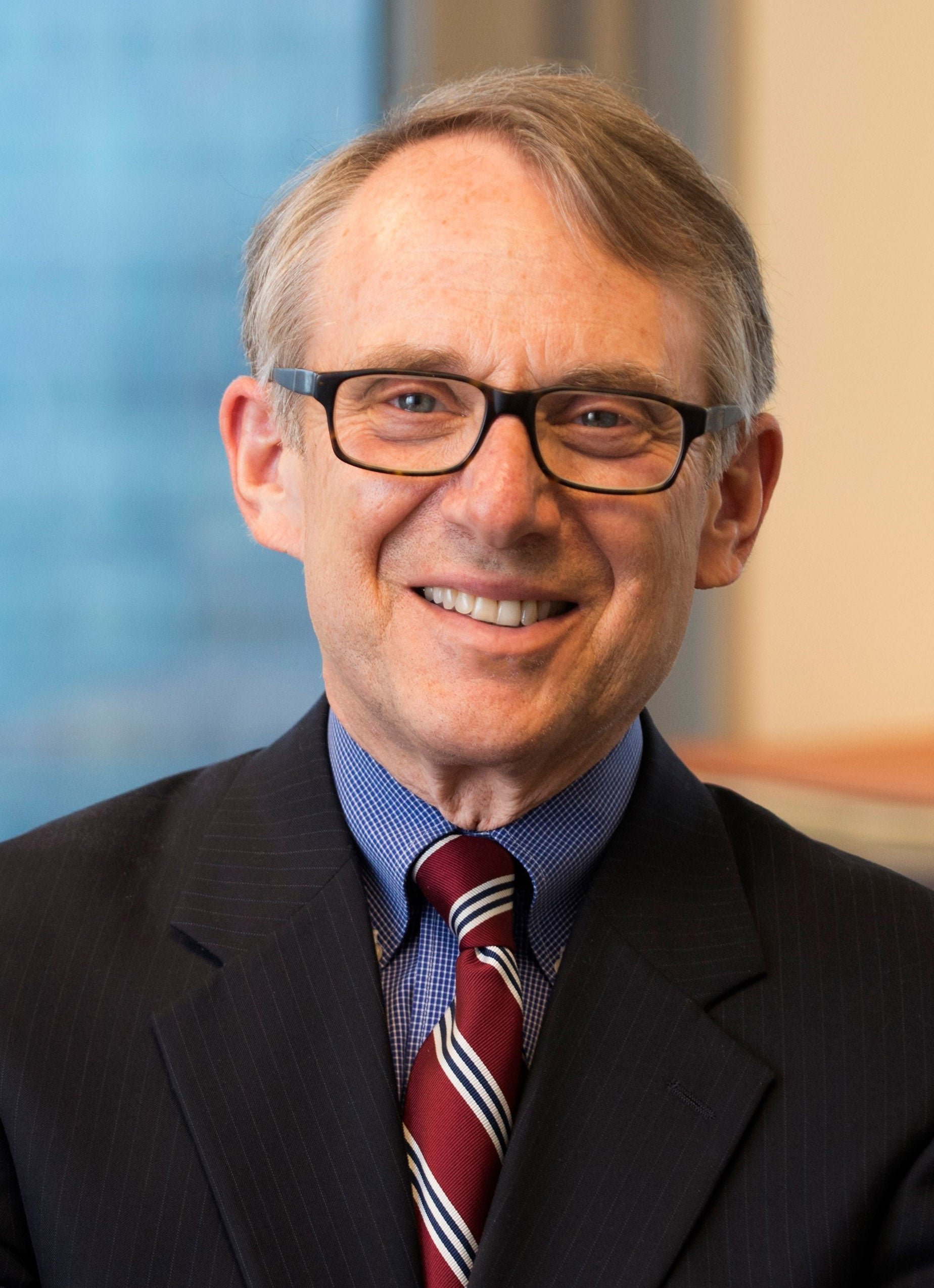
David A. Hoffman is the John H. Watson, Jr. Lecturer on Law at Harvard Law School, where he teaches three courses: Mediation; Legal Profession: Collaborative Law; and Diversity and Dispute Resolution. David includes in each of those courses a discussion of unconscious bias. David is also an attorney, mediator, arbitrator, and founding member of Boston Law Collaborative, LLC, where he handles cases involving family, business, employment, and other disputes.
Before founding BLC in 2003, David was a litigation partner at the Boston firm Hill & Barlow, where he practiced family law, employment law, and general litigation for 17 years. He is past-chair of the American Bar Association Section of Dispute Resolution and a recipient of Lifetime Achievement Awards from the American College of Civil Trial Mediators and the Academy of Professional Family Mediators. David has published four books (including “Bringing Peace into the Room” and more recently “The Art of Impasse-Breaking in Mediation”) and more than 100 articles on law and dispute resolution.
David is co-author (with Helen Winter) of Follow the Science: Proven Strategies for Reducing Unconscious Bias, published in the Harvard Negotiation Law Review, a landmark review of the research on how bias operates and how it can be reduced.