Steffi Bednarek on The Great Simplification
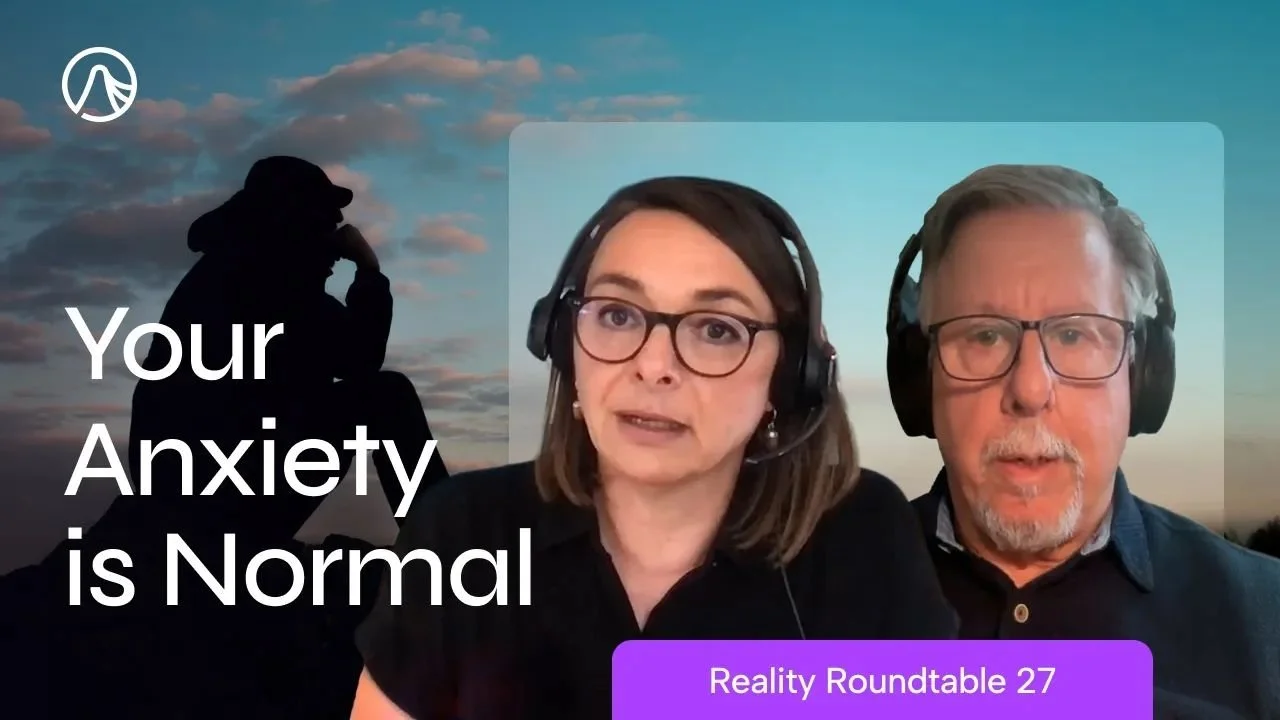
Most of us were taught to treat emotions like distress, numbness, and burnout as private failings to manage and move past, rather than normal responses to living within a world full of crises. The unintended result is a distrust in our own bodies and mind, further leading to more confusion about what is ‘normal.’ One framework offers a potential path to living in harmony with all of the mind’s distinct parts, breaking the defensive and counterproductive loops we tend to get stuck in. What sort of systemic ripples might become possible if we stop trying to smother uncomfortable parts of ourselves, and begin embracing them as critical pieces of our own mental ecologies?
In this episode, Nate is joined by Dr. Richard C. Schwartz, the therapist who developed Internal Family Systems (IFS), and Steffi Bednarek, a climate psychologist applying that same model to organizations, governments, and culture at large. Dick walks through the origins of IFS, which describes the mind as naturally made up of “parts” – protectors and exiles – with their own histories, fears, and roles, which are all held by an underlying ‘Self.’ Steffi extends the model outward to show how institutions and even entire countries can be read as systems of exiles and protectors, and shares how she uses IFS with governments, financial institutions, and wealth holders to defuse shame and effectively guide toward pro-social behavioral change. Together, they explore why healing our relationship to our own most despised parts may be inseparable from healing our relationship to the rest of the living world.
How can looking inward to our own thought processes and patterns help us better understand and relate to others, especially those whose behavior we find hardest to accept? As we continue through challenging times, how can we balance critical physical and policy work with the internal work of healing our relationship to the mental parts we shy away from? And would our decisions and actions change if more and more humans began to lead from curiosity and compassion, instead of fear, and could that be enough to shift the larger system?